
The fundamental roots of this series spawned from the thematic and theatrical elements laden within the works of Edward Hopper and more prevalently the iconic “Untitled Film Stills” series from Cindy Sherman. It is a body of images that are meant to be as melancholy and banal as they are vivid and cinematic. As long as I have lived in Los Angeles, I’ve been fascinated by a cumulative population of dream seekers and those who chase the fruits of pop culture’s supposed greatest reward: stardom. Furthermore, what often follows is a disillusionment and or desensitization to the surrounding world and the emotional and sociological problems that effect the bulk of this country (oft, those of the middle class and hometowns of many of LA’s “starry-eyed commuters”). Whether stardom is achieved or not, in it’s place, you find souls driven or submerged in excess, bound by rejection/achievement and unapologetic ambition to be a part of the fictional world the normal American escapes to in droves weekly (cinema), and idolizes in gossip magazines daily (celebrity).
The country by and large has a quite dynamic give and take relationship with Hollywood and broadly it’s effect on pop culture. America’s middle class consumes its fashion and the drama on and off screen. The middle feeds ferociously on scandal and voyeuristic snapshots into the real-life personas that live behind the fictional characters they let enter their own lives. Hollywood feeds on revenue and more importantly the endless troupe of those who wish to be apart and or create pop culture. It provides a fantasy land apart from anything that mimics the day to day for what 95% of Americans know – surreal, glamorous, invading, perversely, public privacy.
This is where the line blurs. Why America struggles to find interest in its core (the middle-class) can be debated for hours. Where the middle class finds reality in Hollywood is to me, even more indecipherable. The complication created is a world of those who don’t have, wish to attain, and a reality that the world is as defined in it’s fictional representation (cinema) as in it’s quasi-reality (see US magazine). There in lies the foundation of the images. When a nobody becomes a somebody out here, they have not solely ascended within an industry; they have suddenly become a starlet across the globe. Welcome, Alice, to Wonderland. And as Alice makes her journey and creates trends, while being prodded and depicted by both visual artists of genius and genuine inability, she too becomes a fictional element or momentary icon that never really leaves what America deems her to be. Notice how our starlet has attained gender…
The Starlet’s Gender Identity
I chose to focus this series solely from the perspective of the female. To be shamefully frank, the industry is driven by sex, and the female, unfortunately is still the prime “object” of attraction. Brain still resides in the shadows of brawn, and it is no more evident beneath what pop culture let’s into its creative lair, than the iconic female image it creates. Leisure time is as essential an element to the creation of trend and entertainment as Marilyn Monroe is to lure the teenage boy into the theater to partake in a fictional world glazed over by sexual fantasy.
From these general assessments and my consideration of how influential artists from the past characterized the role of celebrity and female identity in pop society (Warhol, Sherman, etc.), I formed the base structure and tonality I aimed to portray in a group of images that only dip their feet into Sherman’s work, but plunge whole heartedly into a portrait of alienation and a quintessential “fish out of water” metaphor for middle class society’s relationship with pop culture.
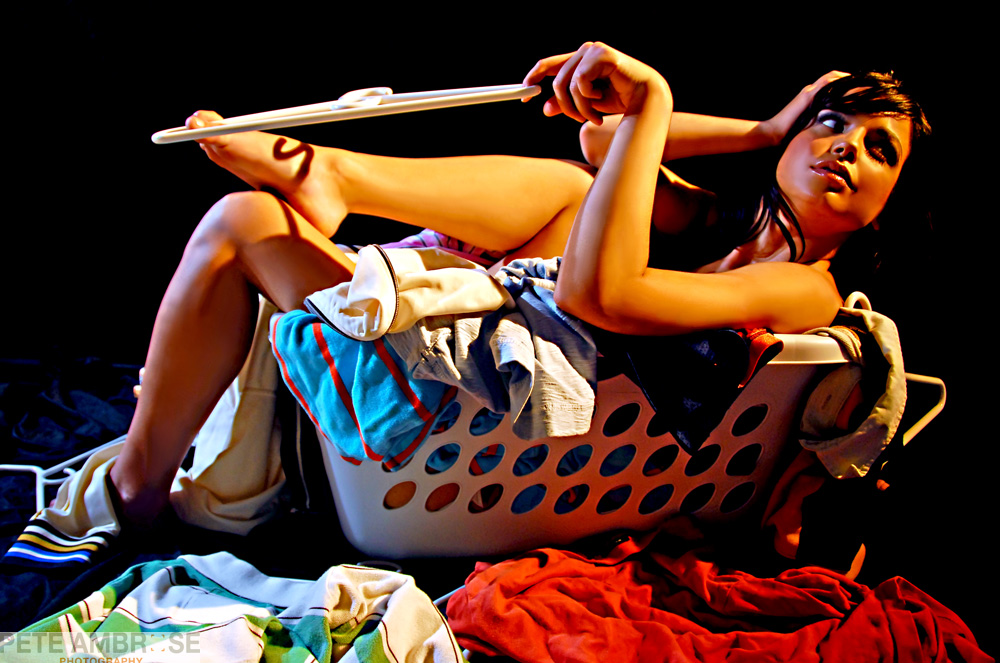
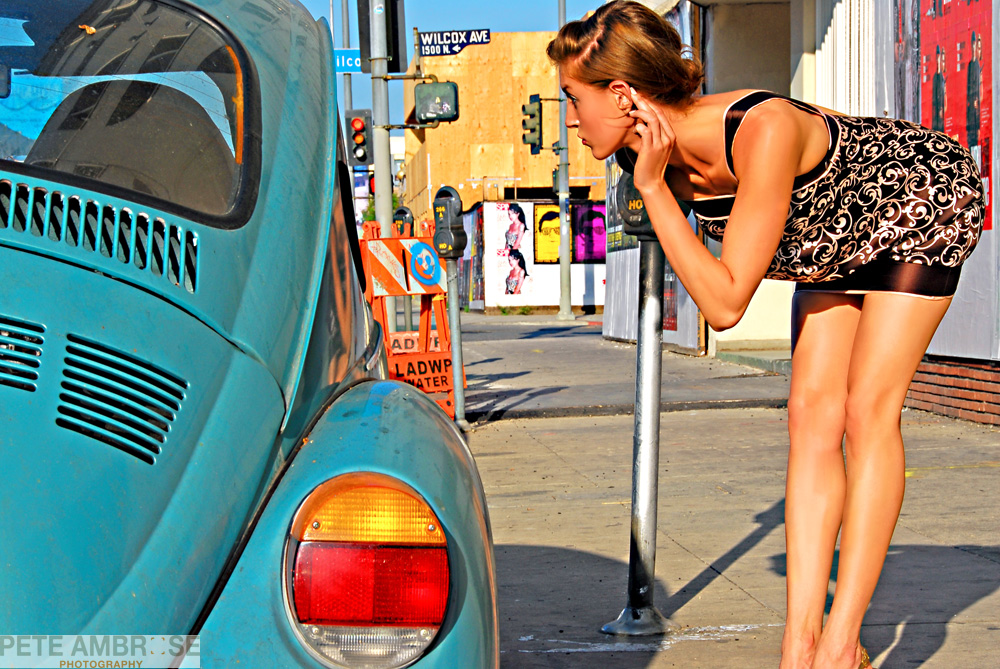
Technically, I wanted to create a series of images that followed the progress of our middle class starlet as she makes her way through the banality of the urban landscape of Hollywood. I wanted to create scenes driven by the narrative, by light, in many ways to create a film still. I wanted to straddle the line of photographic connotation between glamour and tableaux. The reason for this was to illustrate the delicate balance between a functioning narrative and an image of pure lust or beauty portrayed (see female identity above). I directed the models to become that fish out of water, waiting for something, waiting for the approval of pop culture as if it were a figure itself. I juxtaposed the classic looks of vintage celebrity with the model’s hair/make-up and wardrobe and posed them against otherwise banal and uninteresting urban settings and backgrounds. Even the shots with the models in the hills are meant to have a banal beauty to them, flawed landscapes, evidence of wear. These two characters live as personified metaphors in an alternate reality that is vivid and graceful structurally, but poignant and melancholy beneath the surface of the expression and posture.
The inconsistent and disharmonious relationship between the model, her setting and the surreal nature of the given narrative within the scene should create a relatively similar response with the viewer. As a nation our view of celebrity and pop culture is skewed, unrealistic and superficial. These images should encapsulate that same feeling, ironically set, lit and composed in the format and style that is fed to us daily theatrically or otherwise. I want each image to brush up against the paparazzi, to dine with Hitchcock, to be in front of the lens of Richard Avedon himself. Together, these connotations, along with the harsh light and formal elements of color, will aid in depicting a loss of innocence similar in tone to that of Edward Hopper’s “Nighthawks” or “New York Movie”.
As a country our voyeuristic obsession with the celebrity and the lifestyle associated with that has drawn the ire of country’s considered both friendly and enemies – a symbol of a wealthy country’s neglect for modesty and penchant for wasteful excess. We know at heart we are not that. We are not the over-sexed, drug addicted young starlet who can’t keep a lens away from her face, but rather the hard working, blue collar woman forging to build a career, respect, and live with freedom of expression and happiness without excess. These characters are lost, but show the resolve to be found. They are beautiful and endearing, vain, but aware of their flaws. They are symbols that go beyond the objectification and sensuality of lifestyle and fantasy. These characters are America’s Middle-Class Starlets.




 The Rebel Blog